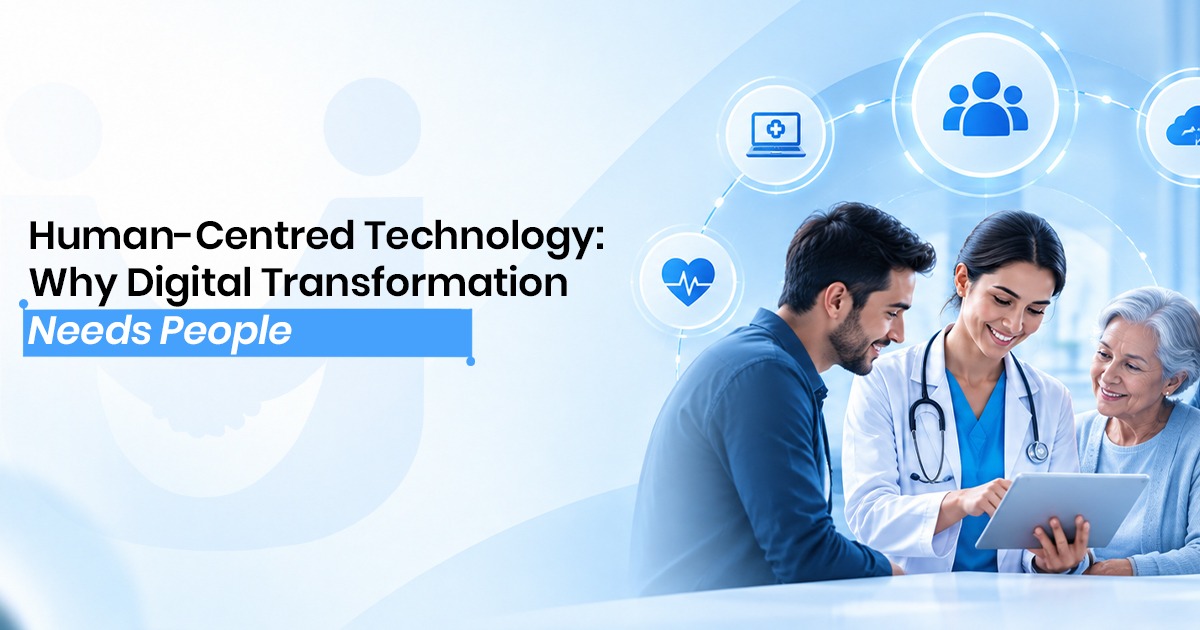
Digital transformation in general is associated with technology—cloud platforms, automation, artificial intelligence, machine learning, analytics, connected systems and digital tools. But this should be understood that technology alone cannot transform any organisation. People do.
In any organisation or business setup, the success of any digital initiative depends on how effectively the employees of the company, its customers and other stakeholders understand, adopt and use the technology which is being introduced to them. This is where human-centred technology becomes crucial. It places people at the heart of digital transformation, ensuring that technology is designed not just to improve processes, but also to create meaningful, intuitive and useful experiences.
Technology Is Only as Effective as Its Adoption
Organisations can invest in sophisticated technologies and still struggle to achieve their transformation goals if people are unable or unwilling to use them effectively. A new platform may promise greater efficiency, but complicated interfaces, disconnected workflows or inadequate training can quickly become barriers.
This makes technology adoption a critical part of digital transformation. Instead of asking only, “What technology should we implement?”, organisations also need to ask, “How will people interact with it?”
A human-centred approach considers the needs, expectations, capabilities and challenges of users throughout the technology journey. The objective is to make technology work for people rather than forcing people to work around technology.
Bringing Human-Centred Design Into Digital Transformation
To start with the Human-centred design, it is important to understand people who will use the product ultimately. They will use the product, platform and system. Their pain points, experiences and expectations will help shape the technology from the very beginning.
Following this approach will make digital solutions more efficient, intuitive and accessible. Whether it is an employee using an internal business platform or a customer interacting with a digital service, the experience should be simple, relevant and purposeful.
Human-centred design also encourages organisations to continuously listen and improve. User feedback can reveal where a process is creating friction, where information is difficult to access or where additional support is needed. Digital transformation therefore becomes an ongoing process rather than a one-time technology implementation.
The Employee Experience Matters
While many companies focus on customer facing experiences, employee experience should be given equal importance and attention. Here, employees are the people who use digital systems every day and translate technology into real business.
A well-designed digital tool can reduce repetitive tasks, manual tasks, improve access to information, simplify collaboration and enable employees to focus on higher-value work. On the other hand, poorly integrated systems can create additional complexity and frustration.
A human-centred approach therefore considers how technology affects employees’ everyday work. It asks whether a new system actually makes their jobs easier, whether information flows smoothly across teams and whether employees have the confidence and skills required to use the technology.
Managing Change With People in Mind
Digital transformation is also a journey of organisational change. New technologies often require people to change established habits, processes and ways of working. This is why change management cannot be treated as an afterthought.
Effective change management involves clear communication, practical training, leadership support and continuous engagement. People need to understand not only what is changing, but also why the change matters and how it will benefit them.
When employees feel included in the transformation journey, resistance can become participation. When they understand the purpose behind a new technology, adoption becomes more natural.
Building Technology Around People
Any business becomes successful only when its people and technology are on the same page. There is a correlation between the both. It is about bringing the two together.
User-centric technology can help businesses create systems that are convenient, easily accessible, more responsive and aligned with real world needs. It can also encourage greater collaboration between technology teams, business leaders and end users.
As organisations become increasingly connected, this human perspective will become even more important. The most successful digital ecosystems will not simply connect applications and data; they will connect people, processes and technology in ways that create meaningful value.
Digital transformation should ultimately make organisations more capable, connected and adaptable. Technology provides the opportunity, but people determine its impact.
The organisations that understand this distinction will be better positioned to build digital environments where innovation is not just implemented, but genuinely adopted, experienced and sustained.